
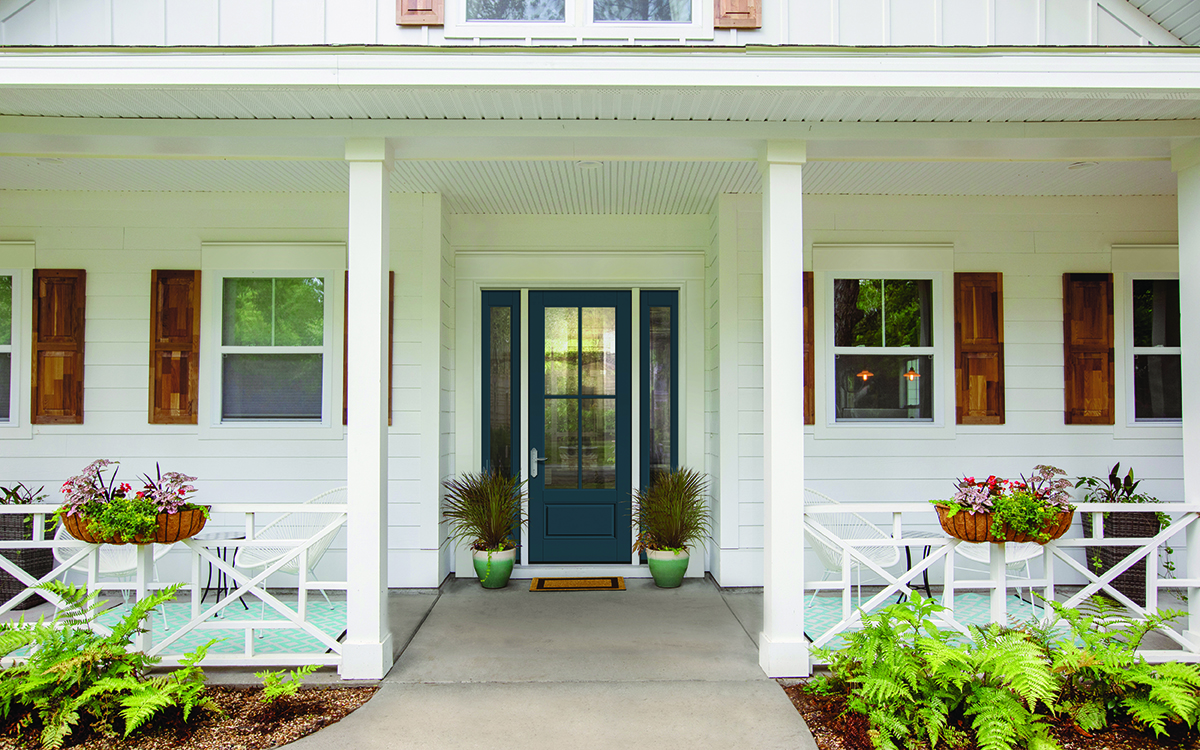
Fiberglass entry doors give you the look of wood without the refinishing, and more security and insulation than steel. They resist rot, rust, warping and swelling, come in realistic wood-grain or smooth paintable finishes, and hold up to UV, temperature swings and coastal salt air.
Your front door is one of the first things people notice about your home. Whether you’re welcoming friends and family or simply coming home at the end of a long day, a beautiful entry door can make your home feel more inviting—and give your curb appeal a boost.
But choosing a new front door isn’t just about looks. You also want a door that can stand up to the weather, provide security, help keep your home comfortable, and look great for years to come.
Key Takeaways
- Wood-grain textures recreate mahogany, fir and oak without wood’s refinishing schedule.
- Won’t rot like wood or rust like steel, and resists swelling, warping and UV exposure.
- Therma-Tru slabs are engineered to be 30% more kick-in resistant than standard steel doors.
- Pressure-injected foam interiors provide four times the insulation of wood doors when comparing doors without glass.
- Maintenance is a topcoat every few years, not a full refinish — plus soap and water.
- Design range covers traditional to modern: wood-grain or smooth paintable, decorative glass, sidelites, transoms.
- Professional installation protects performance — and applicable manufacturer warranty coverage.
That’s Where Fiberglass Entry Doors Come In.
Fiberglass doors combine the beauty of wood with the durability and low-maintenance performance many homeowners are looking for. They’re available in a wide range of styles, colors, finishes and glass options, making it easier to find a door that fits both your home and your personal style
| Fiberglass | Wood | Steel | |
|---|---|---|---|
| Appearance | Realistic wood-grain or smooth paintable | Warm, timeless natural character | Limited by comparison |
| Maintenance | New topcoat every few years; soap and water | Refinishing every few years | Watch for scratches |
| Moisture | Won’t absorb moisture; resists swelling, warping, rotting | Can swell, warp, crack and rot | Scratches can lead to rust |
| Security | Therma-Tru slabs 30% more kick-in resistant than standard steel | — | Durable, but can dent on impact |
| Temperature | Insulating materials inside reduce transfer | — | Can get very hot or cold |
| Coastal | Stands up to salt air | — | — |
Fiberglass vs. Wood: Get the look of Wood Without the Maintenance
There’s no denying the beauty of a natural wood front door. Wood has a warm, timeless appearance that can add character to almost any home.
The downside? Wood doors require more maintenance to keep them looking their best. Depending on the door and the conditions it’s exposed to, wood may need to be refinished every few years to help protect it from moisture and the elements. Wood can also be susceptible to swelling, warping, cracking and rotting over time
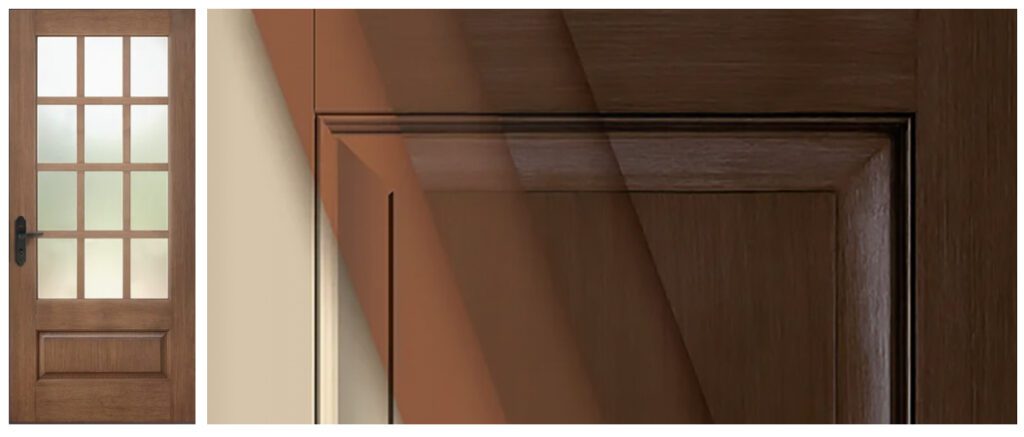
Therma-Tru fiberglass doors feature a PrismaGuard premium finish with a nature-inspired color palette of stains with rich tones that add dimension and look like real wood. Handcrafted and professionally applied in a controlled environment, PrismaGuard provides a high-quality, durable finish..
Fiberglass Gives You Another Option
Today’s fiberglass entry doors can feature remarkably realistic wood-grain textures that recreate the appearance of popular wood species such as mahogany, fir and oak. You can get the traditional look of a wood door without many of the maintenance concerns that come with real wood.
Fiberglass is also designed to stand up to changing weather conditions. It won’t absorb moisture the same way wood does, helping it resist problems such as swelling, warping and rotting.
And when it comes to maintenance, fiberglass is relatively easy to care for. Depending on the finish, it may only need a new topcoat every few years, rather than the more extensive refinishing process associated with many wood doors. Regular cleaning can usually be handled with soap, water and a little elbow grease.
Fiberglass vs. Steel: More than Just Security
Steel doors have been a popular choice for homeowners because they offer durability, security and affordability. But steel has some potential drawbacks.
A steel door can dent if it takes a hard hit, and scratches that expose the metal can eventually lead to rust. Steel can also become very hot or cold depending on the weather outside.
Fiberglass provides an alternative that combines durability with a wide range of design possibilities.
For example, Therma-Tru fiberglass door slabs are engineered to be 30% more resistant to kick-ins than standard steel doors. Features such as multi-point locking systems and adjustable security strike plates can provide additional security for your home.
Fiberglass can also help with energy efficiency. Because fiberglass doors are designed with insulating materials inside, they can help reduce the transfer of outdoor temperatures into your home.
That can be especially helpful during hot summer days and cold winter nights when you want your home to stay comfortable.
Built to Handle Whatever the Weather Brings
Your front door is exposed to the elements every day. Rain, snow, sunlight, humidity and changing temperatures can all take a toll over time. That’s why durability should be an important consideration when shopping for a new entry door.
A quality fiberglass door can resist many of the problems that can affect other materials. Fiberglass won’t rot like wood or rust like steel, and it can stand up well to UV exposure, temperature changes and, in coastal areas, salt air.
Fiberglass is also designed to handle everyday wear and tear. While a fiberglass door can still be scratched or chipped, its construction helps maintain its structural integrity during normal use.
And don’t forget about the warranty. A strong manufacturer’s warranty can provide additional peace of mind and demonstrate the manufacturer’s confidence in its product. Therma-Tru offers limited lifetime warranties on many of its door systems, glass and components, subject to the applicable terms and exclusions.²
A More Comfortable Home
Your front door does more than welcome guests—it’s also part of your home’s overall energy envelope.
An insulated entry door can help reduce drafts and unwanted heat transfer, which can make your home more comfortable throughout the year.
Therma-Tru fiberglass doors, for example, feature pressure-injected foam interiors that provide four times the insulation of wood doors when comparing doors without glass.³ Many fiberglass doors are also available with ENERGY STAR®-certified options.
When you’re replacing an older entry door, upgrading to a well-insulated fiberglass door can be one way to improve both comfort and energy performance
You Don’t Have to Sacrifice Style
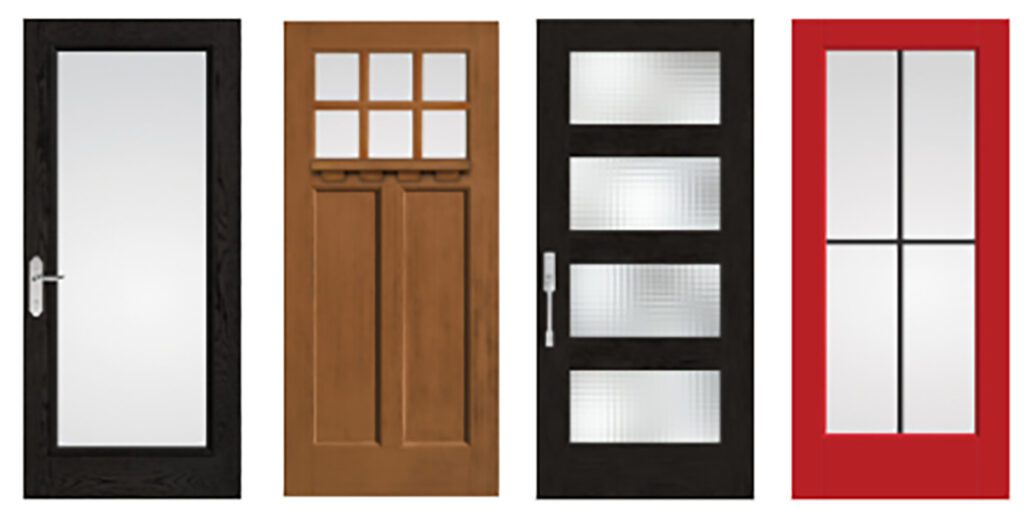
One of the biggest advantages of today’s fiberglass entry doors is the number of design choices available.
Whether your home is traditional, transitional or modern, there’s a good chance you can find a fiberglass door that complements its architecture.
Love the look of wood? Choose from fiberglass doors with realistic wood-grain textures and finishes.
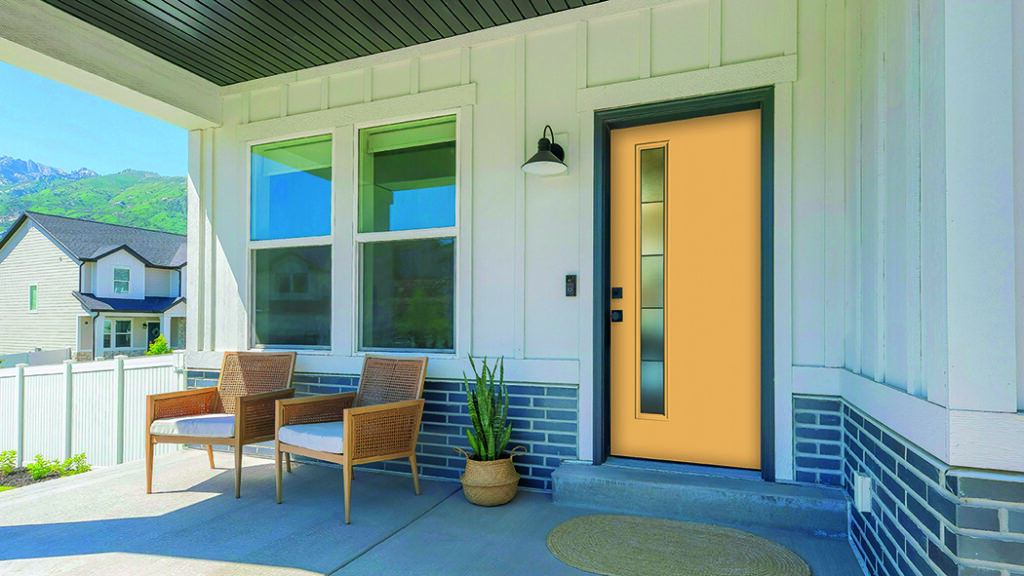
Prefer something more contemporary? Smooth fiberglass doors can be painted in a wide range of colors and paired with modern glass and hardware.
Want to make a statement? Decorative glass, sidelites, transoms, panel configurations and hardware can all help create a distinctive entryway.
From a classic Colonial-style door to a clean, contemporary design, fiberglass gives you plenty of ways to personalize the entrance to your home.
Is a Fiberglass Entry Door Worth the Investment?
When shopping for a new front door, it can be tempting to focus solely on the initial purchase price. But it’s also worth thinking about what you’ll spend—and how much maintenance you’ll need—over the life of the door.
A fiberglass door may cost more initially than some steel doors, but its durability, lower maintenance requirements, energy-efficiency features and long-lasting appearance can make it a worthwhile investment.
Your front door can also have a significant impact on your home’s curb appeal. A 2021 Therma-Tru study found that real estate professionals perceived homes with exterior doors that complemented the home’s architecture as having higher value, with estimates of up to a 7% increase in perceived value.⁴ Keep in mind that this was a perception study, not an analysis of actual home sales or a guarantee of increased property value.
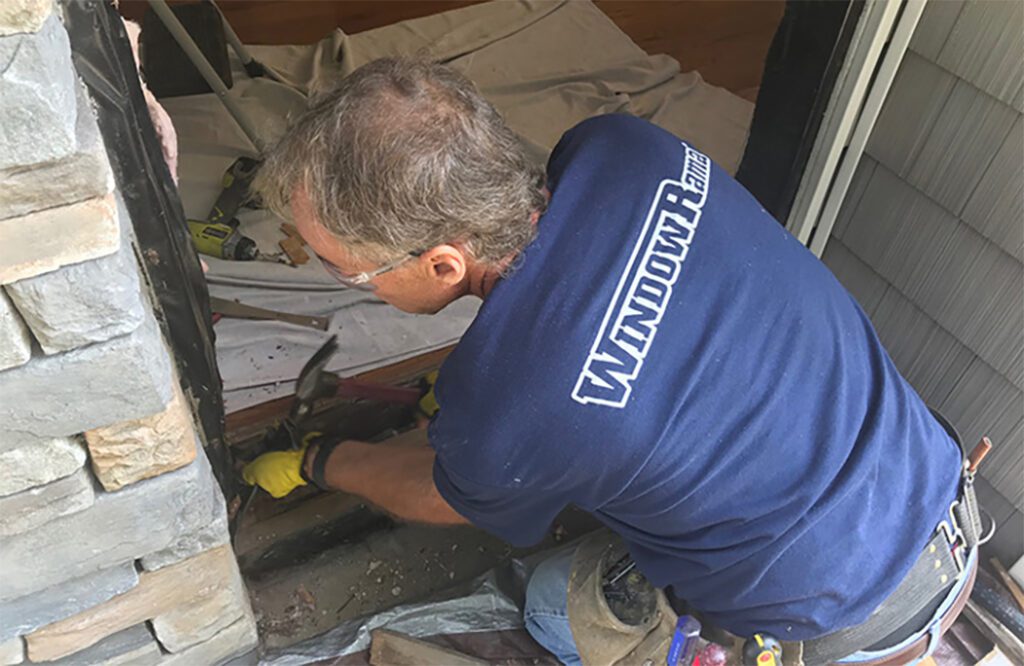
Don’t Overlook Professional Installation
Even the best entry door needs to be installed properly to perform the way it was designed.
Professional installation can help ensure that your new door is properly fitted, weatherstripped and adjusted. Proper installation is also important for security, energy efficiency and maintaining applicable manufacturer warranty coverage.
If you’re replacing an existing front door, an experienced installer can also help you determine which door size, configuration and options will work best for your home.
Ready to Find Your New Front Door?
Is your front door showing signs it needs an update? A new entry door is more than just another home improvement project. It’s an opportunity to improve your home’s curb appeal, security, comfort and everyday functionality—all while creating an entrance you’ll be happy to come home to.
Fiberglass entry doors offer an appealing combination of beauty, durability, energy efficiency and low maintenance, making them worth considering when you’re ready to replace your front door.
Visit your local WindowRama showroom or reach out and talk with our team about finding the right fiberglass entry door for your home.
Related Reading
- Entry Door Design GuideStyles, glass and configurations.
- Curb Appeal and SecurityBalancing looks with protection.
- Is It Time to Replace Your Entry Door?Three signs to watch for.
- Therma-Tru DoorsPrismaGuard finishes and door systems.
- ProVia Fiberglass Entry DoorsAnother fiberglass option.
- Browse Entry DoorsMaterials, styles and hardware.