
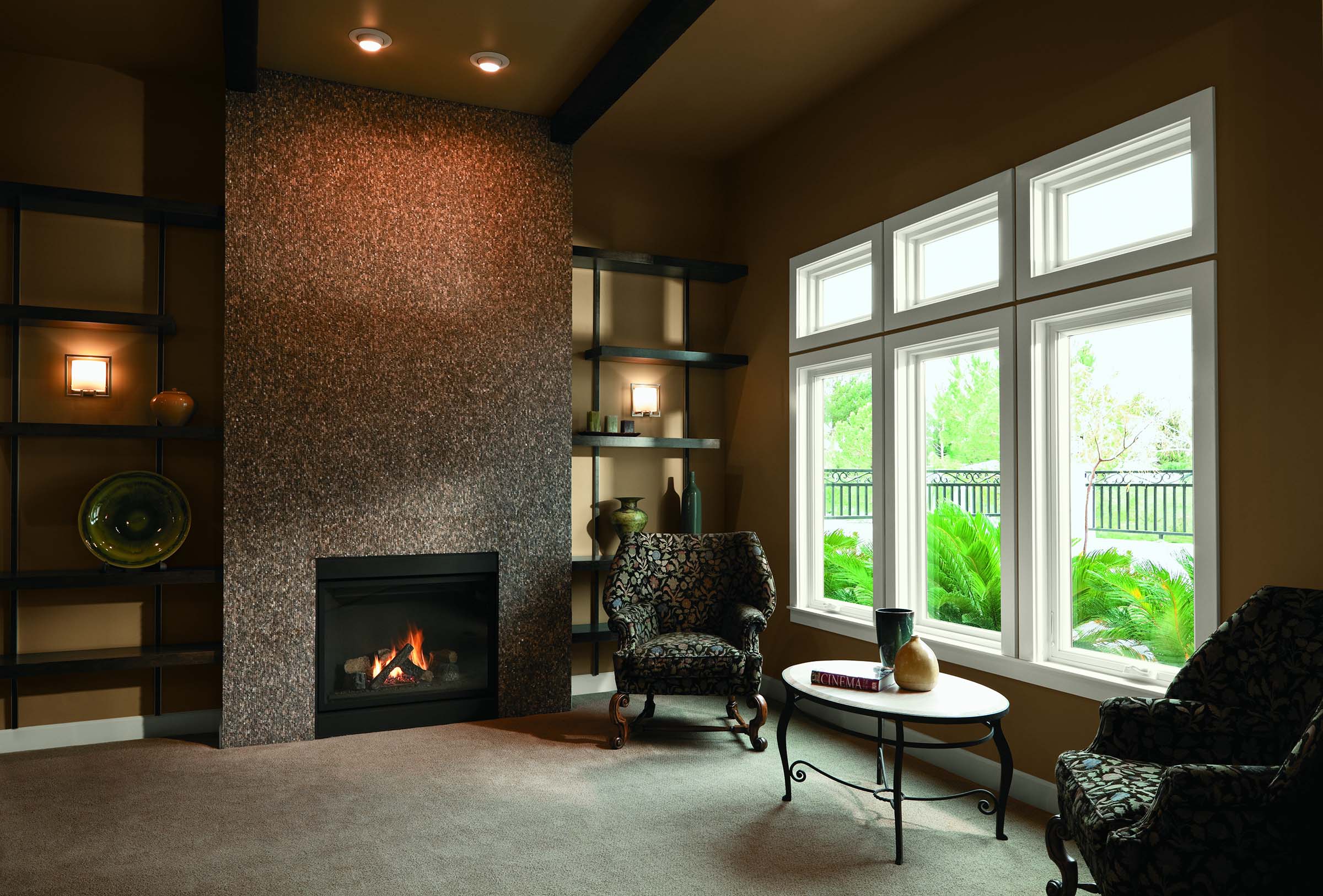
October 8, 2025 by WindowRama
Comparing Andersen 100 vs 200 vs 400 Series Windows
Key Takeaways: The main idea of this article is to directly compare the Andersen 100, 200, and 400 Series windows based on cost, material, and performance, enabling homeowners to quickly select the best series for their budget and project goals.
- 100 Series (Value): Made entirely of Fibrex® composite (which is stronger than vinyl); best for budget and low maintenance.
Price range: $1,000-$1,200 - 200 Series (Standard Wood): Features a wood interior with a vinyl exterior; best for a value-driven wood aesthetic in standard sizes.
Price range: $1,200-$1,500 - 400 Series (Premium): Features a premium wood interior with durable cladding; best for maximum customization and the highest possible energy efficiency (including the lowest U-factors with upgrades).
Price range: $1,500-$1,700 - Best Choice Summary:
- For Budget and Low Maintenance, choose 100 Series.
- For Value and Classic Wood Look, choose 200 Series.
- For Customization and Best Performance, choose 400 Series.
When it comes to upgrading your home’s windows, Andersen stands out as a trusted name in the industry, known for quality craftsmanship and innovative materials. If you’re debating between the Andersen 100 Series, 200 Series, and 400 Series windows, you’re not alone. This comparison is one of the most searched topics among homeowners who are looking for energy-efficient, durable options. Whether your focus is on cost, customization, or long-term performance, understanding the differences between Andersen Series windows can save you significant time and money when you are ready to purchase and install new replacement windows from this brand.
Why Choose Andersen Windows?
Andersen has been manufacturing windows for over 100 years, with an emphasis on sustainability, energy efficiency, and aesthetic appeal. The products of this brand are well known and often earn high marks in customer reviews for reliability, thus establishing Andersen as an industry leader. The 100, 200, and 400 Series all fall under its core residential lines, and are top choices for both new home constructions and replacements. All three classifications in these series use signature materials that include Fibrex® (a wood-PVC composite) and Perma-Shield® exteriors to resist weathering, which makes them suitable for different climates.
According to Andersen’s comparison tools, each choice scales in price and features: The 100 Series is considered to be “the most budget-friendly,” while the 200 Series is “a standard wood-interior value” option, and the 400 Series is “the premium, best-selling line.” Energy Star certification is similar across all, which means that all of them help to reduce utility bills.
In-Depth Look at the Andersen 100 Series: The Vinyl Alternative
The 100 Series is Andersen’s most budget-conscious option, as it is engineered specifically to compete with standard vinyl windows while offering superior strength and an environmentally-friendly profile. Made entirely from Fibrex® composite—a blend of 40% reclaimed wood fiber and PVC—this series is twice as strong as standard vinyl and offers low thermal expansion for better stability in extreme weather.
| Feature | 100 series key details |
|---|---|
| Material | All Fibrex® composite (interior and exterior). |
| Best For | Budget-focused projects, low-maintenance homes, sunbelt climates (thanks to the stability of Fibrex®). |
| Key Styles | Awning, casement, gliding, picture, and single-hung. |
| Customization | Limited (4 exterior/interior colors; no wood interiors). |
| Performance Note | Excels in durability and resisting warping in comparison to vinyl. |
| Pricing (Installed) | $1000 |
Pros: Low maintenance, eco-friendly (made from recycled materials), highly durable, and excellent value for basic needs.
Cons: Fewer customization options, no traditional wood interiors, and thicker frames mean that the glass area may be slightly reduced.
In-Depth Look at the Andersen 200 Series: Wood Aesthetics on a Budget
Positioned as a “mid-range” option, the 200 Series combines a natural wood interior with a durable vinyl exterior for a balance of traditional aesthetics and affordability. This choice is ideal for builders or homeowners who are seeking standard sizes without extensive custom work. The wood core provides warmth, while the vinyl cladding (often called “Perma-Shield®”) protects against moisture and fading.
| Feature | 200 series key details |
|---|---|
| Material | Wood interior/vinyl exterior (Perma-Shield®). |
| Best For | Standard home replacements, traditional double-hung styles, and value-driven wood look. |
| Key Styles | Primarily double-hung, gliding, and picture (with a focus on most popular, standard sizes). |
| Customization | Limited (2 exterior colors; prefinished white or natural pine interior). |
| Performance Note | Excellent value for a wood-interior window. Also features modular sizing for ease of replacement. |
| Pricing (Installed) | $1500 |
Pros: Attractive real wood interior, cost-effective for standard installations, and widely used in traditional homes.
Cons: Limited colors and sizes (which is not ideal for custom projects), fewer grille options, and considered as “builder-grade” within the home improvement industry.
You May Also Like: Comparing Andersen 200 series vs. Andersen 400 Series
In-Depth Look at the Andersen 400 Series: Premium Performance and Customization
The 400 Series is Andersen’s best-selling premium line, offering elegant wood interiors clad in a tough, low-maintenance vinyl/Fibrex® composite exterior for unmatched durability and customization. It is designed for homeowners who want a high-end look with long-term performance, making it popular among contractors for its versatility in both new construction and remodels.
| Feature | 400 series key details |
|---|---|
| Material | Wood interior/vinyl or Fibrex® exterior on Woodwright Double Hung |
| Best For | High-end renovations, full customization, maximum energy efficiency, and complex architectural styles. |
| Key Styles | Comprehensive selection: Double-hung, casement, bay, bow, and specialty shapes. |
| Customization | Extensive (7+ exterior colors, multiple interior wood species/stains). |
| Performance Note | Offers the best range of energy-efficient glass options (e.g., Low-E4 SmartSun) for optimal thermal performance. |
| Pricing (Installed) | $2000 |
Pros: Extensive customization, superior energy savings (with glass upgrades), and timeless aesthetic appeal.
Cons: Higher upfront costs, and wood interiors require occasional maintenance (such as staining and painting).
Side-by-Side Comparison of Andersen 100 vs 200 vs 400 Series: Side-by-Side Technical Comparison
| Feature | 100 Series (value) | 200 Series (Standard Wood) | 400 Series (Premium) |
|---|---|---|---|
| Primary Material | All Fibrex® composite. | Wood interior, vinyl exterior. | Wood interior, vinyl/Fibrex® exterior. |
| Best Use | Budget-friendly, low maintenance, and durability. | Standard replacements, and wood aesthetics. | Custom projects, and maximum performance. |
| Styles Offered | Wide variety, including single-hung windows. | Limited to popular styles (double-hung, glider). | Most comprehensive selection (including bay and bow windows). |
| Exterior Colors | 4 standard colors. | 2-to-5 standard colors. | 7+ colors. |
| Interior Options | Composite only. | Pine wood (natural or painted). | Multiple wood species/stains. |
| Typical U-Factor | 0.27 – 0.30 | 0.28 – 0.32 | 0.26 – 0.30 (best with upgrades). |
| Hardware Finishes | 6 basic options. | 12 options. | 13 premium options. |
| Estimated Installed Price Range | $1000 | $1500 | $2000 |
| Warranty (Glass) | 20 years. | 20 years. | 20 years. |
How to Determine the Best Choice
1. Project Type: New Construction vs. Replacement
- 100 Series: Excellent for replacements or new construction where performance is needed on a tight budget.
- 200 Series: Primarily designed for new construction with modular sizing, but also offers streamlined replacements for commonly used sizes.
- 400 Series: The most popular choice for replacement window projects because of its extensive size options, custom configurations, and ability to match existing architecture.
2. Energy Efficiency: Performance and Climate
While all three may achieve Energy Star certification, the best long-term performance is found in the 400 Series. Why?
- The 400 Series offers the widest range of high-performance glass upgrades, such as Low-E4 SmartSun™ Glass, which can achieve U-factors as low as 0.26 on certain casement models, resulting in maximum heat loss prevention.
- The 100 Series (Fibrex) is highly stable and a fantastic option for climates with extreme temperature swings or high humidity, as it resists warping better than wood-core windows.
3. Aesthetics: Wood, Color, and Grille Options
If an authentic wood interior is non-negotiable, the choice is between the 200 and 400 Series. The 400 Series is the only option that provides multiple wood species (pine, maple, oak, cherry, etc.) along with a full suite of exterior colors and custom grille patterns to achieve the perfect look for your home.
FAQs About Andersen 100, 200, and 400 Series Windows
Q: What are the main differences between the materials used in the Andersen 100, 200, and 400 Series windows?
A: The 100 Series is an all-Fibrex® composite. The 200 Series uses a wood interior with a vinyl exterior. The 400 Series has a premium wood interior with a durable vinyl or Fibrex® exterior cladding to provide better longevity and customization.
Q: Which Andersen Series option is the most energy-efficient?
A: The 400 Series holds the distinction of providing the highest energy efficiency, especially when upgraded with its High-Performance Low-E4 SmartSun™ Glass to achieve the lowest U-factors (down to 0.26). All three options, however, provide configurations that meet or exceed Energy Star standards.
Q: How much do Andersen Windows cost to install?
A: Installation costs vary significantly by size, style, and region, but you can expect the following average ranges for a typical double-hung window: 100 Series: client to inform; 200 Series: client to inform; 400 Series: client to inform. These prices include both the window units and standard labor.
Q: Is the Andersen 400 Series being phased out?
A: No. The 400 Series remains Andersen’s best-selling and most popular line for traditional clad-wood windows. While newer, ultra-premium lines like the A-Series are becoming popular, the 400 Series continues to be actively sold, supported, and recommended for most premium remodels.
Q: How does Fibrex® in the 100 Series compare to the wood in the 400 Series?
A: Fibrex® is a low-maintenance, highly durable composite that is superior to standard vinyl, designed for structural stability and harsh climates. The wood in the 400 Series offers a traditional, premium look and better thermal properties—but requires more interior maintenance (e.g., staining or painting).
Q: Is the Andersen 100 or 400 series better?
A: The 100 series windows are better for those looking to install windows on a budget. The 400 series windows are best for those who want maximum energy efficiency and customization
Conclusion: Which Andersen Series is Right for Your Home?
Choosing between Andersen’s 100, 200, and 400 Series ultimately comes down to a classic balance of budget, desired aesthetics, and long-term performance goals.
| If you prioritize… | Choose the… | Because… |
|---|---|---|
| Budget and Low Maintenance | 100 Series | The durability of Fibrex® and Energy Star performance are available at the lowest price, making this the smart alternative to vinyl. |
| Value and Classic Wood Look | 200 Series | The warmth of a natural wood interior with a durable, low-maintenance vinyl exterior are available at an affordable, mid-range price point. |
| Customization and Best Performance | 400 Series | This option delivers everything: A top-tier aesthetic, the widest possible array of sizes and styles, and maximum energy efficiency potential for long-term ROI. |
For personalized advice and the most accurate pricing for installation, contact WindowRama today. Ready to upgrade? Start with a free quote and take the first step toward a more efficient, beautiful home.